Hindi Grammar Basics for Beginners: 7 Rules That Unlock the Language
Learn seven Hindi grammar basics for beginners: word order, gender, aap/tum/tu, postpositions, the verb "to be", questions and negatives, with examples.
- Why Hindi puts the verb at the end
- How gender changes adjectives and verbs
- How to form questions and negatives simply
Hindi grammar can seem very different from English at first. But a few core rules explain most everyday sentences. Learn these seven and you'll start to see how Hindi works.
1. Verbs go at the end
English uses Subject–Verb–Object order. Hindi usually uses Subject–Object–Verb.
| English | Hindi | Word by word |
|---|---|---|
| I drink water. | मैं पानी पीता हूँ। | I water drink am. |
| She reads a book. | वह किताब पढ़ती है। | She book reads is. |
Hindi sentences end with । (called poorn viraam), the Devanagari full stop.
2. Every noun has a gender
Hindi nouns are masculine or feminine, even objects.
- किताब (kitaab, book) — feminine
- घर (ghar, house) — masculine
- पानी (paani, water) — masculine
Gender affects adjectives and verbs, so it's worth learning a noun's gender along with the word.
3. Adjectives change to match
Many adjectives ending in -आ (-aa) change with gender and number:
| Example | Meaning | |
|---|---|---|
| Masculine singular | अच्छा लड़का (achchha ladka) | good boy |
| Feminine | अच्छी लड़की (achchhi ladki) | good girl |
| Masculine plural | अच्छे लड़के (achchhe ladke) | good boys |
4. Three ways to say "you"
| Hindi | Use |
|---|---|
| आप (aap) | Polite: elders, strangers, work |
| तुम (tum) | Familiar: friends, peers |
| तू (too) | Intimate: very close friends, children (can sound rude) |
Verbs change with each. When unsure, use आप. See Hindi greetings for etiquette.
5. Postpositions come after the noun
English has prepositions ("in the house"). Hindi has postpositions that come after the noun.
| English | Hindi |
|---|---|
| in the house | घर में (ghar mein) |
| on the table | मेज़ पर (mez par) |
| from Delhi | दिल्ली से (Dilli se) |
| to school | स्कूल को / स्कूल (school ko) |
| Ram's book | राम की किताब (Ram ki kitaab) |
The possessive का / की / के (ka / ki / ke) changes to match the gender of the thing owned: राम का घर (Ram's house), राम की किताब (Ram's book).
6. "To be": हूँ, है, हैं
| Pronoun | Form | Example |
|---|---|---|
| मैं (I) | हूँ (hoon) | मैं ठीक हूँ — I am fine |
| वह / यह (he, she, it) | है (hai) | वह डॉक्टर है — He/she is a doctor |
| आप / हम / वे | हैं (hain) | आप कैसे हैं? — How are you? |
| तुम | हो (ho) | तुम कहाँ हो? — Where are you? |
7. Questions and negatives are simple
Yes/no questions: add क्या (kya) at the start. - आप ठीक हैं। (You are fine.) → क्या आप ठीक हैं? (Are you fine?)
Negatives: put नहीं (nahin) before the verb. - मैं जानता हूँ। (I know.) → मैं नहीं जानता। (I don't know.)
Question words: क्या (what), कौन (who), कहाँ (where), कब (when), क्यों (why), कैसे (how), कितना (how much).
Learn by translating
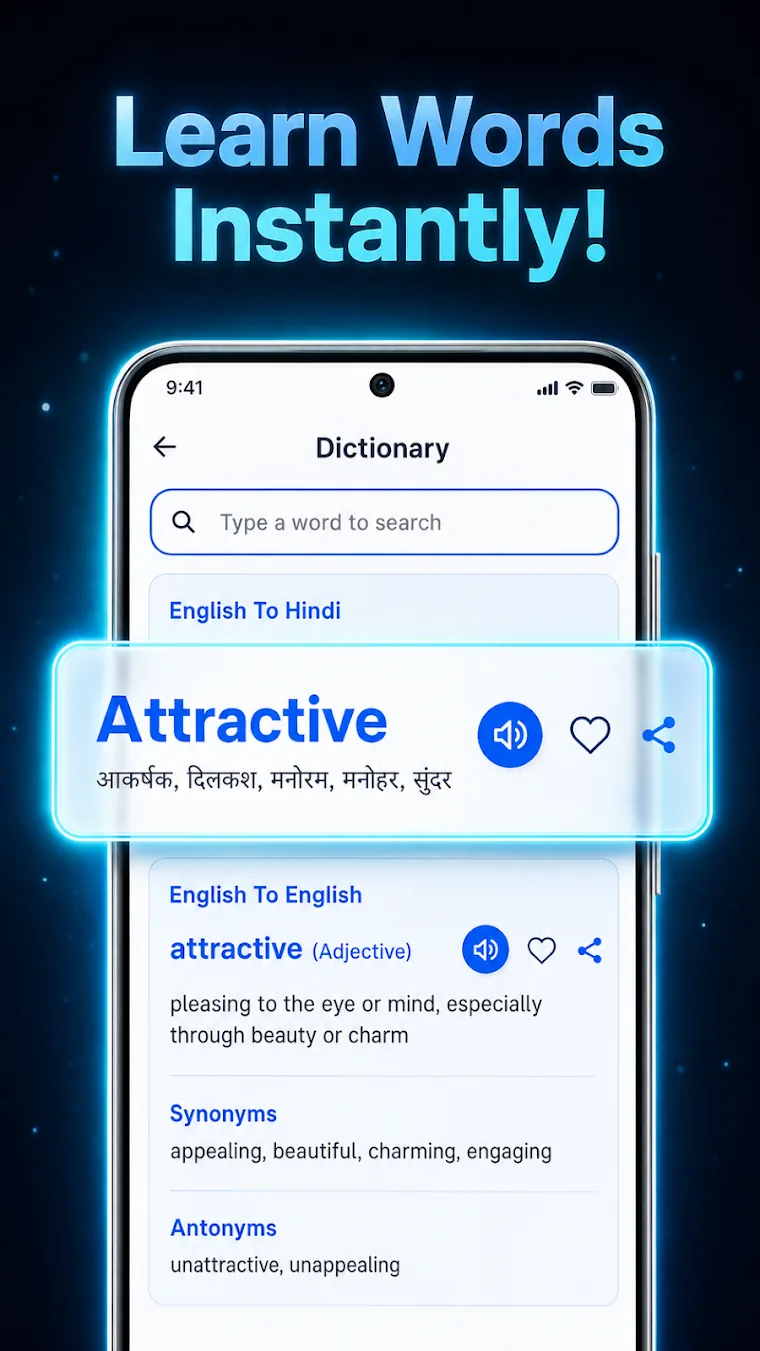
A great way to absorb grammar is to translate short English sentences and study the Hindi word order. English To Hindi Translator shows the translation, reads it aloud and includes a dictionary for individual words. See also tips for learning Hindi.
Key takeaways
- Hindi word order is usually Subject–Object–Verb.
- Nouns have gender, which changes adjectives, possessives and verbs.
- Use आप for polite "you".
- Postpositions come after nouns. Questions start with क्या. Negatives use नहीं.
Frequently asked questions
Is Hindi grammar difficult?
Some parts, like gender, take practice. But the core rules are consistent and learnable.
What is the word order in Hindi?
Usually Subject–Object–Verb, so the verb comes at the end.
How do you make a question in Hindi?
For yes/no questions, add क्या (kya) at the start of the sentence.
What's the difference between aap and tum?
आप (aap) is polite and formal. तुम (tum) is familiar, used with friends and peers.

We're an independent app studio in Pune, India. We build English To Hindi Translator and write these guides from what we learn making it and from the questions our users send us. Spotted an error? Email qunovixtechnologies@gmail.com.