What to Write in a Diary: 25 Ideas for Every Kind of Day
Not sure what to write in your diary? Here are 25 practical ideas, from daily logs and lists to letters and memories, plus examples you can copy tonight.
- 25 things to write in a diary when you're out of ideas
- Example entries you can copy and adapt
- How to mix text with photos, drawings and moods
You open your diary, look at the empty page and think: "Nothing happened today." Something always happened. The trick is knowing where to look. Here are 25 ideas for what to write in a diary, with examples.
Everyday diary ideas
- The day in three lines. Morning, afternoon, evening, one line each.
- The best and worst moment. Example: "Best: lunch with Priya. Worst: the bus was 40 minutes late."
- A conversation. Write down something someone said that stuck with you.
- What you ate. Surprisingly fun to read back, especially on holidays and festivals.
- What you're worried about. Getting it on paper often makes it smaller.
- What you're looking forward to. Big or small.
Lists (great for low-energy days)
- Five things I noticed today.
- Songs I've had on repeat this week.
- Books, films or shows I want to try.
- Places I want to visit.
- Small wins this week.
- Things I'd tell my younger self.
Reflection ideas
- A decision you're facing. List the options and how each one feels.
- Something you changed your mind about.
- How you're really feeling, and why. Tracking this over time becomes a mood journal.
- What you learned this week.
- A mistake and what you'd do differently.
Memory keeping
- A childhood memory. Describe a place you loved as a child.
- Today's date, ten years ago. What do you remember about your life then?
- A family story. Write down something an older relative told you before it's forgotten.
- Firsts. First day at a new job, your child's first word, your first trip alone.
Creative ideas
- A letter to someone that you'll never send.
- A letter to your future self to read in one year.
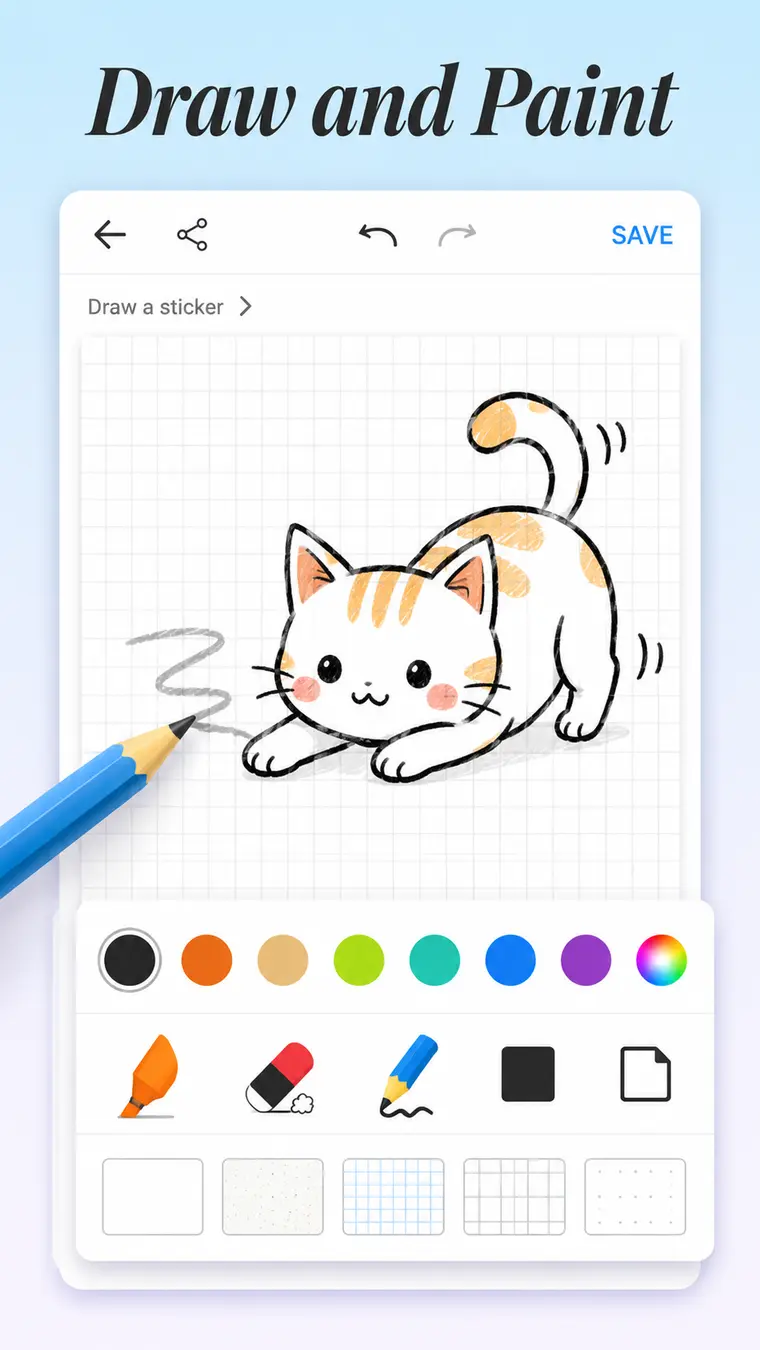
- A drawing or doodle of something you saw today.
- A "day in the life" description as if writing for someone a hundred years from now.
Example diary entries
Busy day (one line):
Long day at work, but the presentation went better than expected. Tired but relieved.
Reflective entry:
I snapped at Mum on the phone today and I've felt bad all evening. I think I was annoyed about work, not her. I'll call her tomorrow and apologise. Note to self: when I'm stressed I get short with the people closest to me.
List entry:
Five things I noticed: the neighbour's new puppy, mango season has started, the office lift is finally fixed, a kid singing on the train, how quiet the road is on Sunday mornings.
Mix words with other things
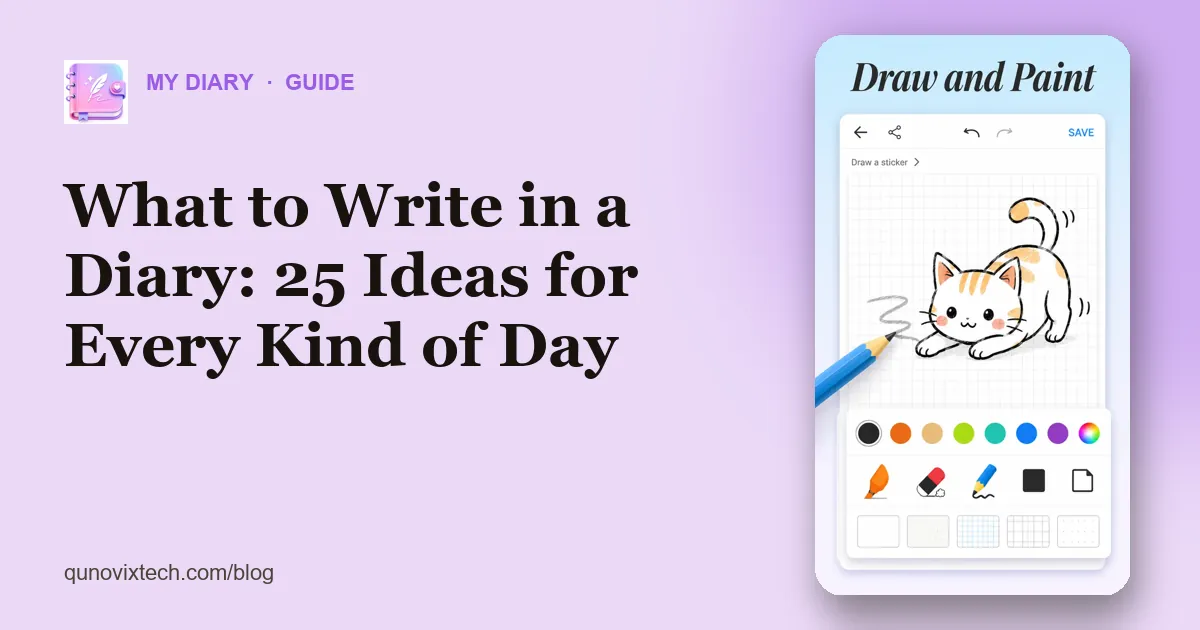
Diaries don't have to be text only. Add a photo, a sticker, a mood or the place you were. In a phone diary like My Diary, you can choose a background, add stickers and even draw, which makes quick entries feel complete.
If you still don't know what to write
Answer one question from our journal prompts for beginners, or simply write "I don't know what to write today because…" and keep going. You'll usually find the real topic within a few sentences.
Key takeaways
- Something always happens: look at conversations, food, worries and small wins.
- Lists are perfect for tired, low-energy days.
- Memories and family stories are worth recording before they fade.
- Mix in drawings, photos and moods to capture days quickly.
Frequently asked questions
What do you write in a diary for the first time?
Write why you're starting, a snapshot of your current life and what happened today. Our beginner's guide to starting a journal covers this in detail.
Is a diary the same as a journal?
People use the words interchangeably. "Diary" often suggests a daily record of events, while "journal" can include reflection, ideas and plans. You can do both in the same book or app.
What should I not write in a diary?
Anything you're not comfortable with someone else seeing, unless your diary is truly private. Avoid storing passwords or bank details in a diary.
How do I make my diary interesting to read later?
Include specific details: names, places, quotes, smells and how you felt. Specific entries are the ones you'll enjoy reading years later.

We're an independent app studio in Pune, India. We build My Diary: Daily Journal & Lock and write these guides from what we learn making it and from the questions our users send us. Spotted an error? Email qunovixtechnologies@gmail.com.