Post Office Savings Schemes: Interest Rates and Which to Choose
Compare post office savings schemes including PPF, NSC, KVP, SCSS, MIS, SSY, RD and time deposits, with current interest rates, lock-ins and who each suits.
- Current interest rates for the main post office schemes
- Lock-in periods, limits and tax treatment at a glance
- Which scheme suits which goal
Post office savings schemes are backed by the Government of India, which makes them some of the safest places to keep money in the country. Interest rates are set by the government every quarter.
Rates below are those reported for October–December 2026, unchanged from the previous quarter. Always check India Post's official website for the current quarter before investing. This isn't financial advice.
Post office scheme interest rates
| Scheme | Interest rate (p.a.) | Tenure / lock-in |
|---|---|---|
| Post Office Savings Account | 4.0% | None |
| Time Deposit: 1 year | 6.9% | 1 year |
| Time Deposit: 2 years | 7.0% | 2 years |
| Time Deposit: 3 years | 7.1% | 3 years |
| Time Deposit: 5 years | 7.5% | 5 years |
| Recurring Deposit (RD) | 6.7% | 5 years |
| Monthly Income Scheme (MIS) | 7.4% | 5 years |
| National Savings Certificate (NSC) | 7.7% | 5 years |
| Kisan Vikas Patra (KVP) | 7.5% | Doubles in 115 months |
| Public Provident Fund (PPF) | 7.1% | 15 years |
| Sukanya Samriddhi Yojana (SSY) | 8.2% | Until the girl turns 21 |
| Senior Citizens Savings Scheme (SCSS) | 8.2% | 5 years |
Quick guide to each scheme
PPF
Long-term, tax-free returns over 15 years. Up to ₹1.5 lakh a year. See PPF interest calculation.
Sukanya Samriddhi Yojana (SSY)
For a girl child under 10. Among the highest small-savings rates, with deposits up to ₹1.5 lakh a year for 15 years.
Senior Citizens Savings Scheme (SCSS)
For people aged 60+ (with some exceptions). Pays interest quarterly. Deposit limit of ₹30 lakh.
Monthly Income Scheme (MIS)
Pays interest every month. Up to ₹9 lakh in a single account and ₹15 lakh in a joint account. Good for regular income.
NSC
A 5-year certificate. Interest compounds and is paid at maturity. Deposits qualify for the old-regime tax deduction.
KVP
Money doubles in a fixed period (115 months at current rates). No upper limit. Interest is taxable.
Time Deposits and RD
Like bank FDs and RDs, with government backing. The 5-year time deposit qualifies for the old-regime deduction. See FD vs RD for how the two types compare.
Which scheme suits which goal?
| Goal | Schemes to consider |
|---|---|
| Daughter's education or marriage | SSY |
| Long-term, tax-free savings | PPF |
| Regular income in retirement | SCSS, MIS |
| Saving monthly from salary | RD |
| Parking a lumpsum for 1–5 years | Time Deposits |
| Fixed doubling | KVP |
Tax at a glance
- Tax-free interest: PPF and SSY.
- Deductions on deposits (old regime only): PPF, SSY, NSC, SCSS and the 5-year time deposit, within the overall investment limit.
- Taxable interest: time deposits, RD, MIS, NSC, KVP and SCSS. TDS may apply on SCSS interest above the threshold.
See old vs new tax regime for how the deductions apply.
How to choose a post office scheme
- Define your goal and timeline. Short (1–3 years), medium (5 years) or long (15+ years).
- Check eligibility. SSY and SCSS have specific eligibility rules.
- Compare after-tax returns. A tax-free 7.1% can beat a taxable 7.5% depending on your slab.
- Check liquidity. Lock-ins and premature withdrawal rules vary.
- Calculate maturity. Use a calculator for each option you're considering.
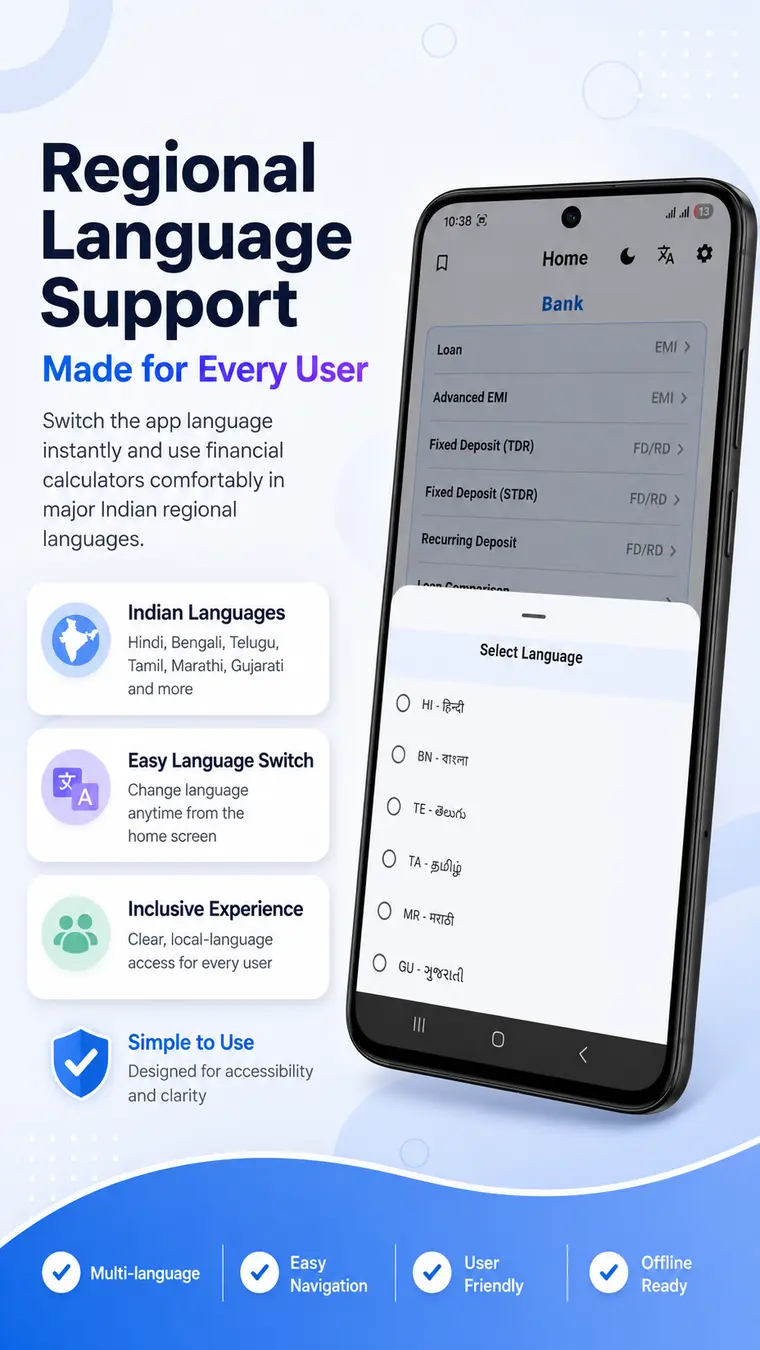
FinCalc India has dedicated calculators for post office schemes including PPF, SSY, NSC, KVP, MIS, SCSS, RD and time deposits.
Key takeaways
- Post office schemes are government-backed with quarterly-reviewed rates.
- SSY and SCSS currently offer 8.2%. NSC 7.7%. PPF 7.1%.
- Match the scheme to your goal, timeline, eligibility and tax situation.
- Check India Post for the current quarter's rates before investing.
Frequently asked questions
Which post office scheme gives the highest interest?
Currently, SSY and SCSS at 8.2%, but they have eligibility conditions.
Are post office schemes safe?
Yes. They're backed by the Government of India.
How often do post office interest rates change?
The government reviews them every quarter, though they've remained unchanged for many recent quarters.
Which post office scheme is best for monthly income?
The Monthly Income Scheme (MIS) and, for those aged 60+, the Senior Citizens Savings Scheme (SCSS).

We're an independent app studio in Pune, India. We build Finance Calculator: EMI & SIP and write these guides from what we learn making it and from the questions our users send us. Spotted an error? Email qunovixtechnologies@gmail.com.