6 To-Do List Methods Compared: 1-3-5, Ivy Lee, GTD and More
Compare six popular to-do list methods: 1-3-5, Ivy Lee, Eat the Frog, GTD, time blocking and Kanban. See how each works and pick the one that suits you.
- How six popular to-do list methods work
- Which method suits which kind of person and job
- How to combine methods without overcomplicating things
There's no single best way to manage a to-do list. Some people need structure, others need flexibility. Here are six well-known methods, how they work and who each one suits best.
Quick comparison
| Method | Core idea | Best for |
|---|---|---|
| 1-3-5 rule | 1 big, 3 medium, 5 small tasks a day | People who overload their days |
| Ivy Lee method | Six ranked tasks for tomorrow | People who struggle to start |
| Eat the Frog | Do the hardest task first | Procrastinators |
| Getting Things Done (GTD) | Capture everything, sort into contexts | Busy people with many projects |
| Time blocking | Give tasks calendar slots | People with meetings and deadlines |
| Kanban | To do / Doing / Done columns | Visual thinkers, team projects |
1. The 1-3-5 rule
Each day, choose one big task, three medium tasks and five small tasks. The structure forces you to accept that you can't do everything and makes sure the big task isn't buried under small ones.
Try it if: you regularly write 20 items and finish five.
2. The Ivy Lee method
This method dates back to 1918, when productivity consultant Ivy Lee reportedly shared it with executives at Bethlehem Steel. It's beautifully simple:
- At the end of each day, write down the six most important tasks for tomorrow.
- Rank them in order of importance.
- Tomorrow, work on task one until it's finished before moving to task two.
- Move unfinished tasks to the next day's list of six.
Try it if: you lose time each morning deciding what to do.
3. Eat the Frog
Based on a famous saying often attributed to Mark Twain and popularised by Brian Tracy's book Eat That Frog!: do your biggest, most-dreaded task first thing. Everything after that feels easier.
Try it if: one task keeps getting moved from day to day.
4. Getting Things Done (GTD)
Created by David Allen, GTD is a complete system with five stages: capture, clarify, organise, reflect and engage. Everything goes into a trusted inbox, then gets turned into next actions sorted by context (calls, computer, errands). A weekly review keeps the system current.
GTD also gave us the two-minute rule: if something takes less than two minutes, do it now.
Try it if: you juggle many projects and your head feels cluttered.
5. Time blocking
Instead of a list, you assign tasks to specific blocks on your calendar: "9:00–10:30 write report." It makes you confront how much time you actually have.
Try it if: your day has fixed meetings and you need to protect focus time. Our guide to a daily planning routine shows how to combine time blocks with a to-do list.
6. Kanban
Kanban uses three columns, To do, Doing and Done, and limits how many tasks can be in "Doing" at once. It's visual and great for seeing progress.
Try it if: you like seeing work move, or you're tracking a project with stages.
Which method should you choose?
- Overwhelmed by volume? Start with 1-3-5.
- Can't get started? Try Ivy Lee or Eat the Frog.
- Too much in your head? Try GTD's capture habit.
- Day full of meetings? Use time blocking.
- Want to see progress? Try Kanban.
Not sure which tasks are worth doing at all? Sort them first with the Eisenhower Matrix.
Combine methods simply
Most people end up with a mix. A practical combination:
- Capture everything into separate lists (GTD).
- Each evening, choose tomorrow's 1-3-5 tasks.
- Do the "1" first (Eat the Frog).
- Put tasks with times into your calendar and set reminders.
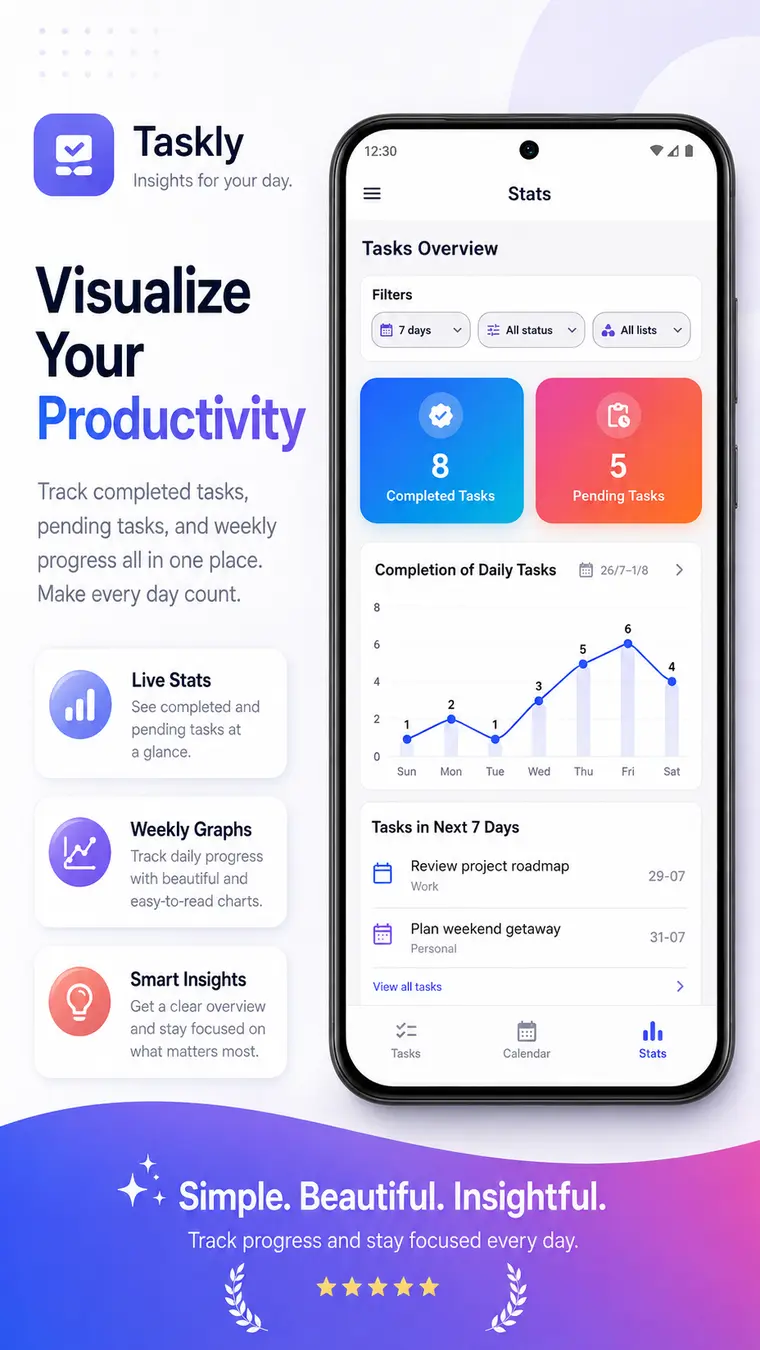
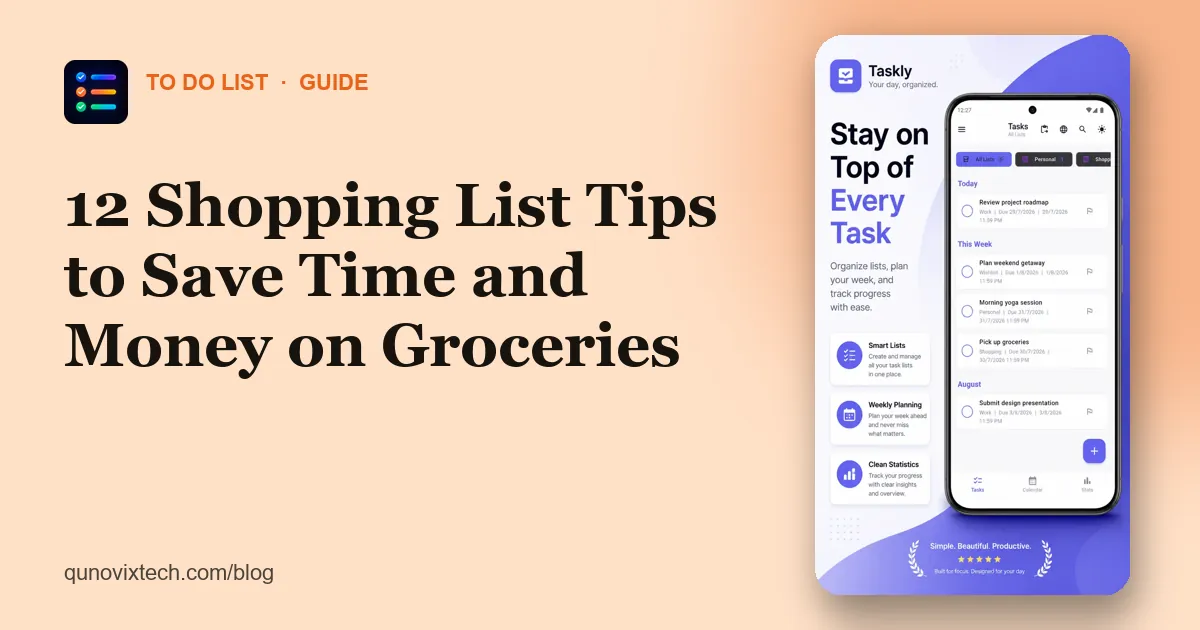
A to-do app with separate lists, due dates, reminders and simple statistics, like To Do List, supports all of these methods without forcing you into one.
Key takeaways
- 1-3-5 keeps days realistic. Ivy Lee and Eat the Frog help you start.
- GTD clears your head. Time blocking protects focus. Kanban shows progress.
- Pick the method that fixes your biggest problem, then adjust.
- Simple combinations work better than complicated systems.
Frequently asked questions
What is the best to-do list method?
The best method is the one that solves your main problem. If you overload your days, try 1-3-5. If you procrastinate, try Eat the Frog.
What is the 1-3-5 rule?
Each day you plan one big task, three medium tasks and five small tasks, a total of nine.
What is the Ivy Lee method?
Write your six most important tasks for tomorrow, rank them, and work through them in order, one at a time.
Can I use these methods in a to-do list app?
Yes. Lists, priorities, due dates and reminders let you apply any of these methods on your phone.

We're an independent app studio in Pune, India. We build To Do List: Tasks & Reminders and write these guides from what we learn making it and from the questions our users send us. Spotted an error? Email qunovixtechnologies@gmail.com.